
Introduction: Why Car Park Line Marking Matters
Car parks are more than just places to leave vehicles—they are a vital part of any commercial, industrial, or public space. Proper car park line marking plays a key role in maintaining safety, maximizing available space, and ensuring smooth traffic flow. When markings are clear and compliant with regulations, they help drivers navigate confidently, reduce the risk of accidents, and enhance the overall user experience.
Whether it’s a shopping centre, office building, hospital, or school, the first impression often starts in the car park. Well-designed markings don't just direct vehicles—they reflect the professionalism and attention to detail of the property manager or business owner. And with growing emphasis on accessibility and safety, having precise, high-quality line marking is no longer optional—it's essential.
The Role of Compliance and Safety in Line Marking
In today's fast-paced environments, safety is a priority. Car park accidents, often caused by confusion or poor visibility, can be significantly reduced with effective line marking. Features like pedestrian walkways, disabled bays, directional arrows, and loading zones must follow national standards. Incorrect or faded markings can lead to liability issues or safety risks, especially during peak hours or in poorly lit areas.
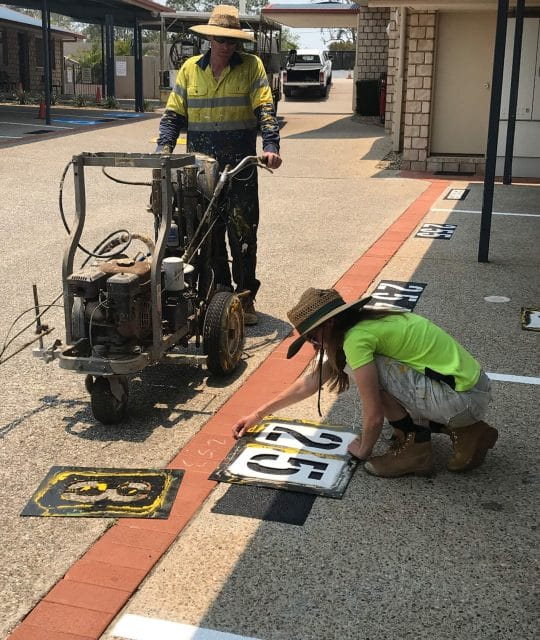
Compliance with Australian safety and accessibility standards is a critical component of any car park line marking project. From ensuring minimum bay widths to incorporating reflective paint for visibility at night, adherence to guidelines protects both users and property owners. Proper signage and stencil work further support the functionality of the parking area.
Maximizing Space with Strategic Car Park Line Marking
Smart car park line marking isn't just about drawing lines—it's about efficient space utilization. In high-traffic areas or limited-space settings, how the lines are laid out can determine how many vehicles can be accommodated without compromising safety. Angled parking, tandem bays, and one-way lanes are some of the design options that depend on precise measurements and expert planning.
The layout directly impacts the flow of vehicles and pedestrians. A disorganized car park can lead to congestion and frustration. On the other hand, a well-marked area improves user satisfaction, reduces the chances of collisions, and allows for easy access to different sections of the premises. Businesses with properly marked car parks often see increased customer satisfaction and fewer complaints related to accessibility.
Materials and Methods for Long-Lasting Results
One of the key aspects of effective car park line marking is the use of high-quality, durable materials. Depending on the surface type and expected traffic volume, contractors may choose thermoplastic, waterborne paint, or solvent-based coatings. Each material has its benefits—some offer superior visibility, while others are designed for long-lasting adherence on concrete or asphalt surfaces.
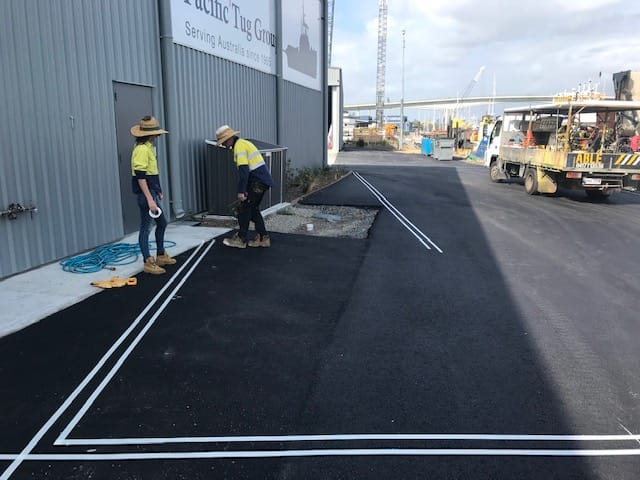
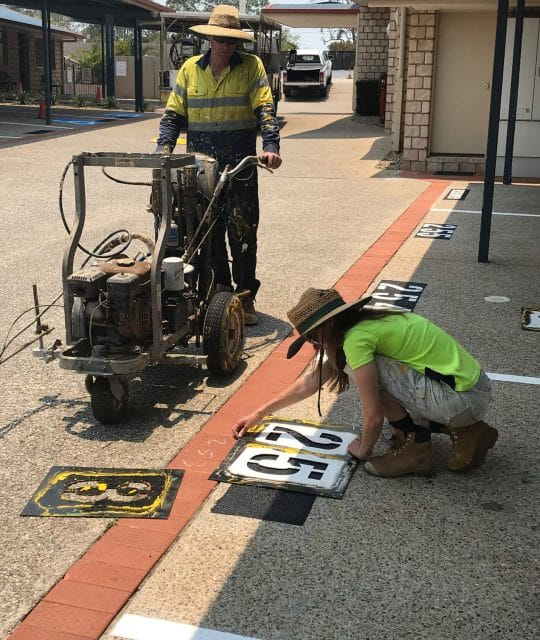
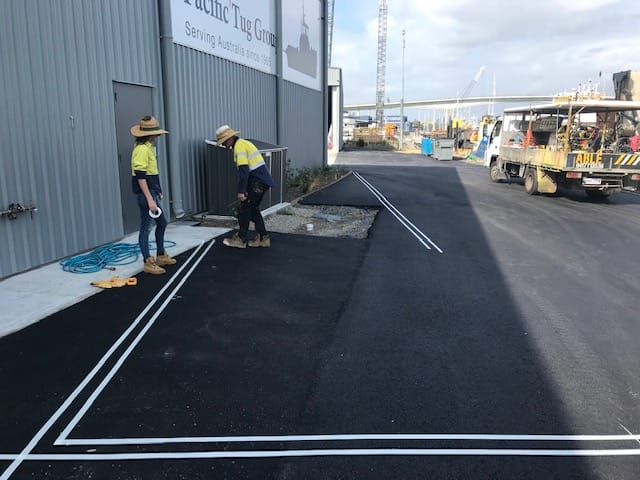
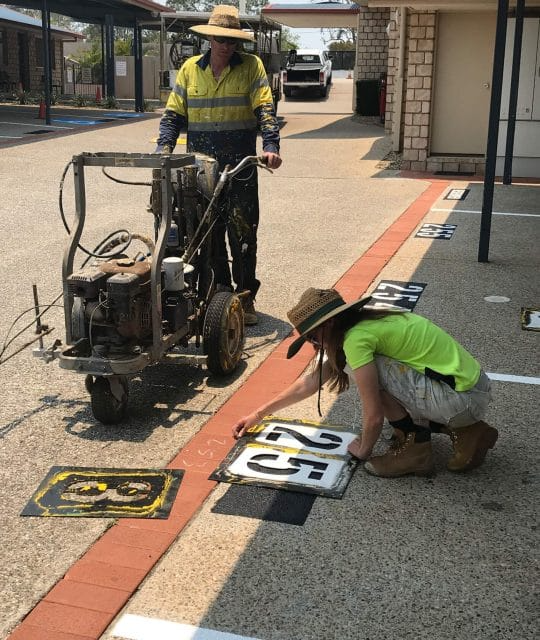
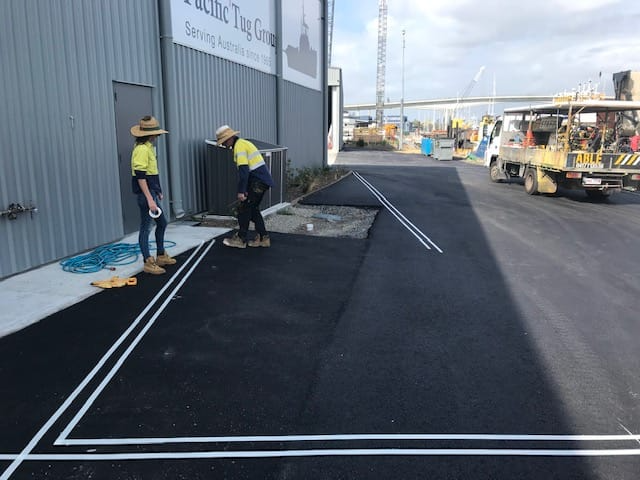
The process typically starts with surface preparation, which may involve cleaning, removing old lines, or repairing damage. Next comes precise measurement and layout planning to ensure markings are correctly spaced. Finally, advanced line marking equipment is used to apply clean, crisp lines that dry quickly and withstand heavy use. Anti-slip additives and reflective beads may be included for added safety.
Accessibility and Special Markings
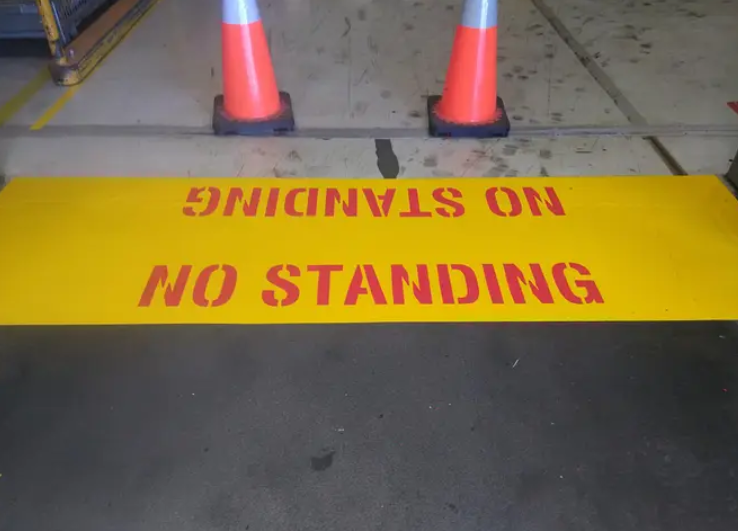
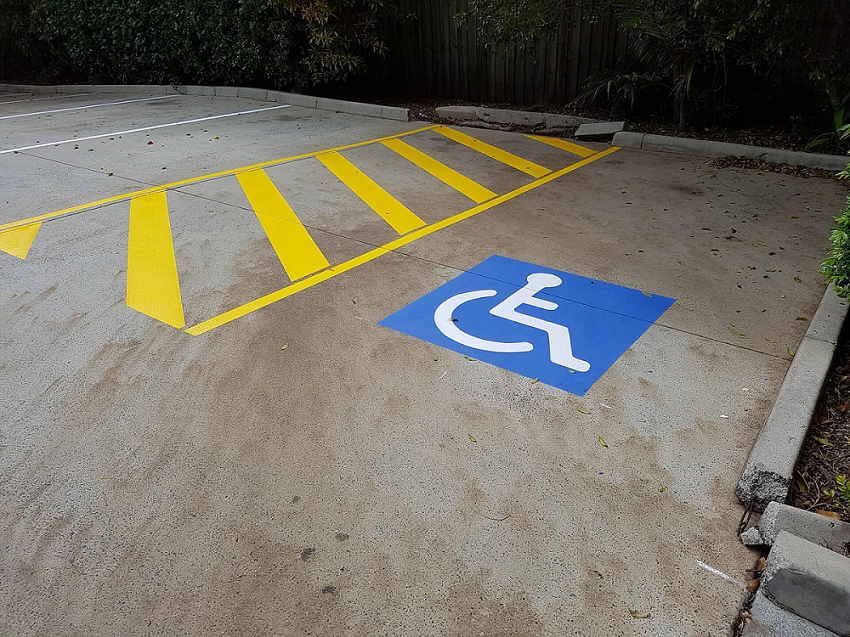
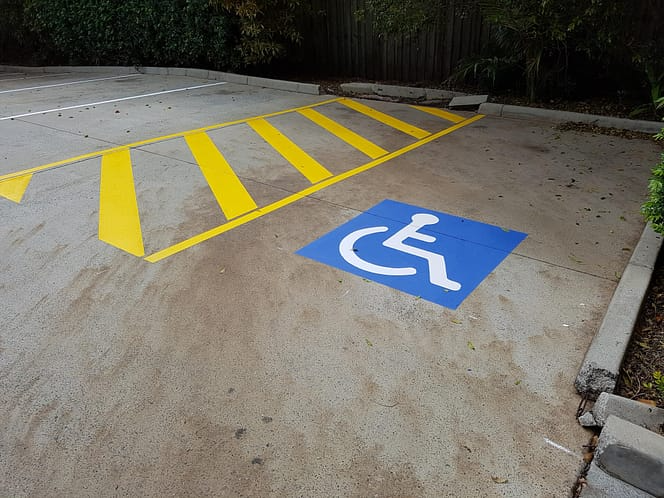
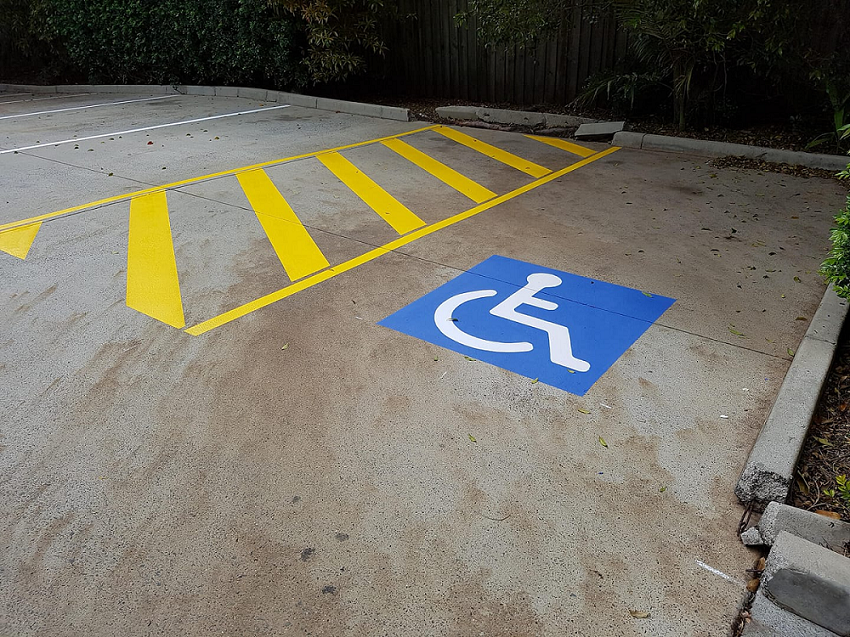
In modern design, inclusivity is paramount. Car parks must cater to a diverse range of users, including those with mobility challenges. Dedicated bays for people with disabilities are not only a legal requirement but a reflection of a business's commitment to accessibility. Clear, visible signage combined with stencil markings ensures these spaces remain available for those who need them most.
Beyond accessible bays, car park line marking also includes electric vehicle charging bays, loading zones, fire exits, and bicycle parking. Each of these elements requires unique colours, shapes, or symbols, making it essential to hire experienced professionals familiar with regulatory standards. Proper placement and sizing of these markings prevent misuse and enhance the overall organization of the space.
Routine Maintenance for Optimal Visibility
Even the most professionally marked car park will degrade over time. Exposure to weather, vehicle traffic, and environmental contaminants can cause paint to fade or chip. That’s why regular maintenance is vital to keep your car park line marking clear and effective. This includes repainting faded lines, updating markings after layout changes, and inspecting signage for wear.
Maintaining sharp, visible markings helps ensure the safety of all users while preserving the aesthetic of the premises. A poorly maintained car park can appear neglected and reduce user confidence. On the other hand, bright, fresh lines communicate order, safety, and reliability—qualities every business should want to project.
The Benefits of Professional Line Marking Services
While DIY solutions may seem tempting, car park line marking is best left to experienced professionals. These experts understand how to maximize space, meet legal requirements, and select the right materials for your unique environment. Their knowledge ensures that every marking—from standard bays to intricate symbols—is applied with precision and durability in mind.
Professional teams also bring efficiency to the job. With specialized equipment and training, they can complete projects with minimal disruption to your operations. Whether it’s a new construction project or a refresh of an existing layout, expert line markers ensure that your car park performs optimally and looks professional.
Adapting to Evolving Needs
As vehicle types and user expectations evolve, so too must car park line marking strategies. For instance, the rise of electric vehicles requires the integration of charging station bays. Shared car services, delivery zones, and smart parking technologies also influence how spaces are laid out and marked.
Future-ready designs consider these changing dynamics and build flexibility into the layout. Modular marking solutions, temporary paints, and dynamic signage are just some innovations making their way into modern car parks. Businesses that anticipate these needs will be better positioned to adapt, reduce retrofit costs, and remain compliant as standards evolve.
Environmental Considerations
Sustainability is becoming a growing focus in property management. Line marking plays a role in this by enabling eco-friendly design solutions such as efficient traffic flow, reduced idling time, and designated green vehicle bays. Moreover, many car park line marking professionals now offer environmentally friendly paint options with low VOCs (volatile organic compounds) and non-toxic formulations.
By choosing sustainable marking practices, businesses can contribute to reducing their carbon footprint while still meeting safety and compliance standards. It’s a win-win that supports both operational goals and environmental responsibility.
Conclusion: A Mark of Excellence
Well-executed car park line marking isn’t just about paint—it’s about creating a safe, accessible, and efficient environment for every user. From safety compliance and accessibility to aesthetics and future-readiness, every line matters. Investing in professional marking services ensures your car park operates smoothly, enhances user satisfaction, and reflects positively on your brand.
With strategic planning, quality materials, and expert application, your car park can become a model of functionality and safety—setting a strong first impression and making a lasting impact.



Write a comment ...