
Whether you’re managing a commercial facility, overseeing a school, or running an industrial site, line marking plays a vital role in creating order and ensuring safety. You may not think about it often, but those neat lines in parking lots, roads, warehouses, and sports courts are doing a lot more than just looking tidy—they’re guiding traffic, improving efficiency, and minimizing hazards.
In this guide, we’re diving deep into the world of line marking. You’ll learn what it is, why it matters, where it’s used, and how it continues to evolve with modern needs and technologies.
What Is Line Marking?
Line marking refers to the application of durable, visible lines and symbols on various surfaces—typically roads, pavements, parking lots, warehouses, and sports grounds. These markings guide traffic, designate specific zones, and help regulate the flow of people and vehicles.
From pedestrian walkways to directional arrows, every line has a purpose. The materials used can vary depending on the environment, including paint, thermoplastics, and preformed tapes. The goal is the same across all applications: improve functionality, boost safety, and create a visual order in otherwise chaotic spaces.
Why Is Line Marking So Important?
Imagine a busy warehouse without any floor markings. Workers wouldn’t know where to walk, forklifts would have no clear paths, and accidents would be far more common. The same goes for parking lots and roads—without line marking, traffic congestion and confusion would be the norm.
Here are just a few reasons why effective line marking is crucial:
Safety: It clearly separates pedestrian zones from vehicle lanes, reducing the risk of accidents.
Efficiency: It optimizes the use of space, especially in warehouses and parking areas.
Compliance: In many cases, it ensures a business meets health and safety regulations.
Navigation: It makes it easier for people to find their way, whether they’re driving or walking.
When done right, line marking enhances the user experience while maintaining order in high-traffic environments.
Where Is Line Marking Commonly Used?
Line marking isn’t limited to just roads and highways. It’s a versatile solution applied across a range of sectors. Let’s take a closer look at where it’s commonly used:
Roadways – Lane divisions, crosswalks, stop lines, and bike lanes all fall under this category.
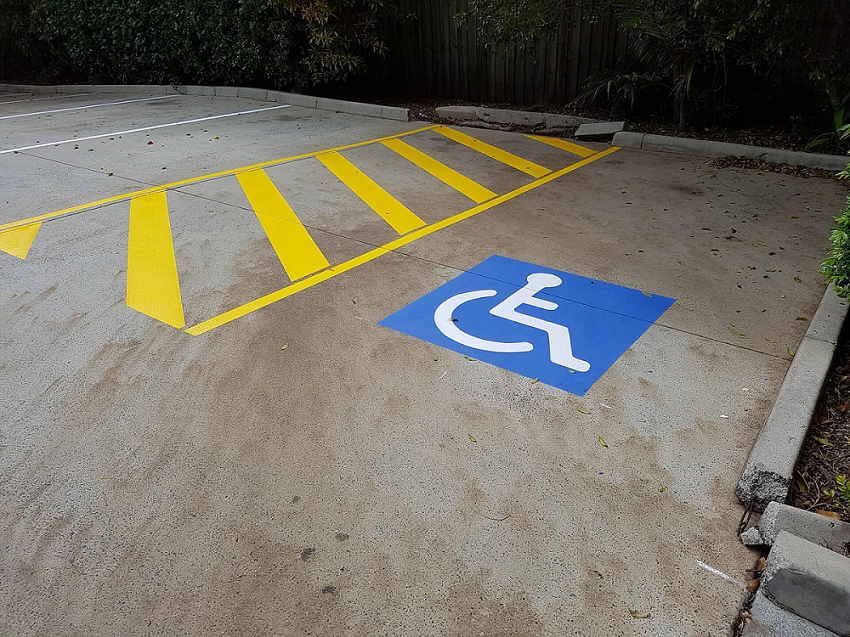
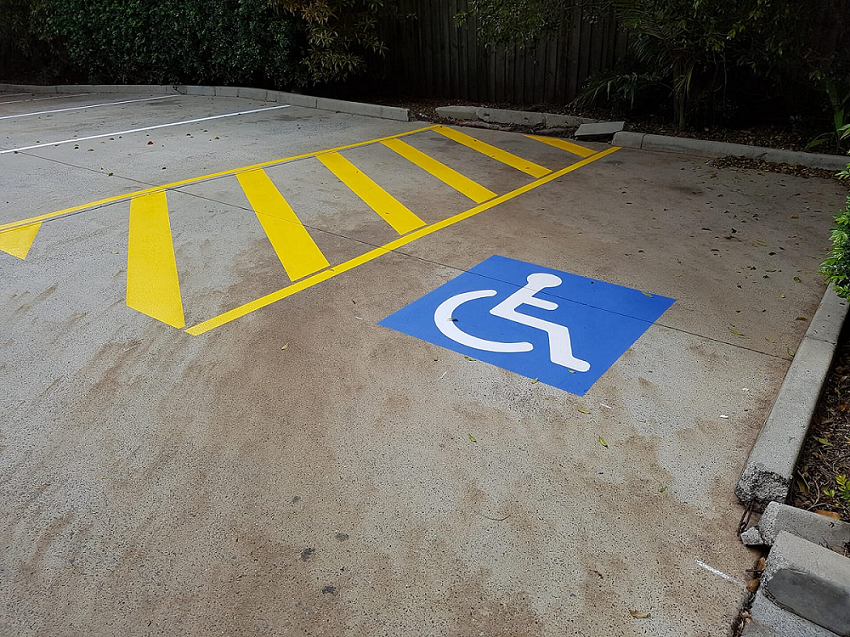
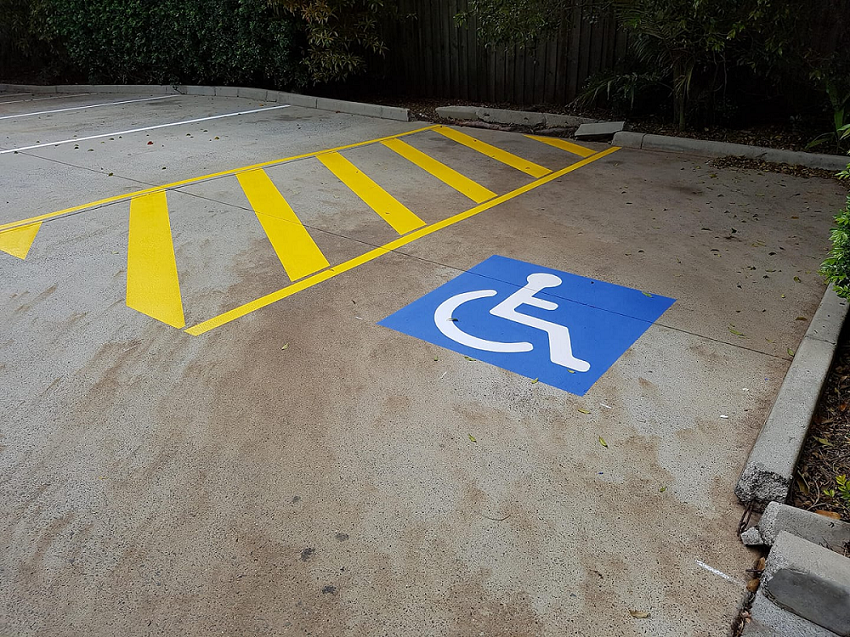
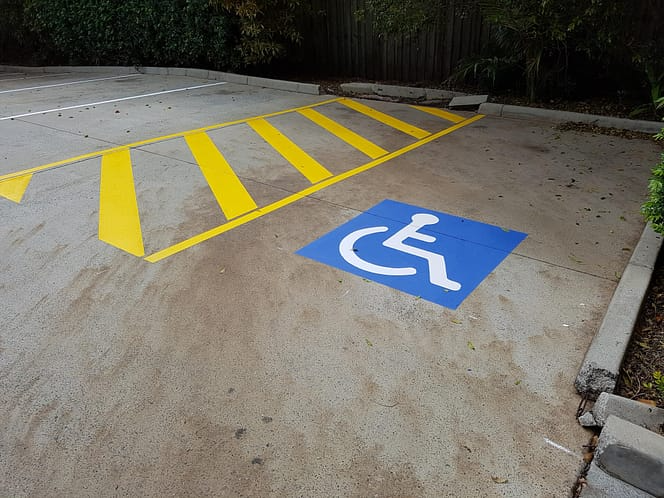
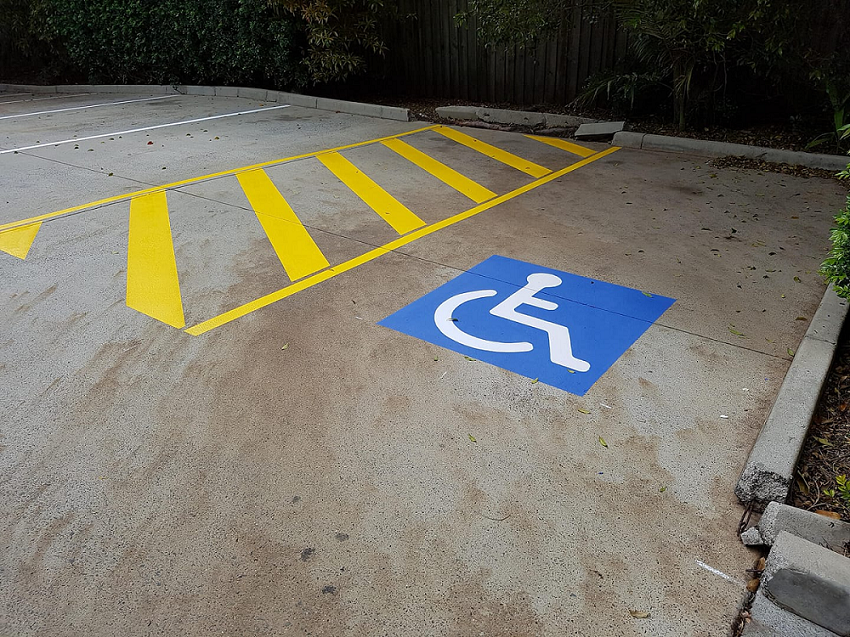
Parking Lots – Marked spaces for cars, accessible spots, and directional arrows help manage traffic flow and space utilization.
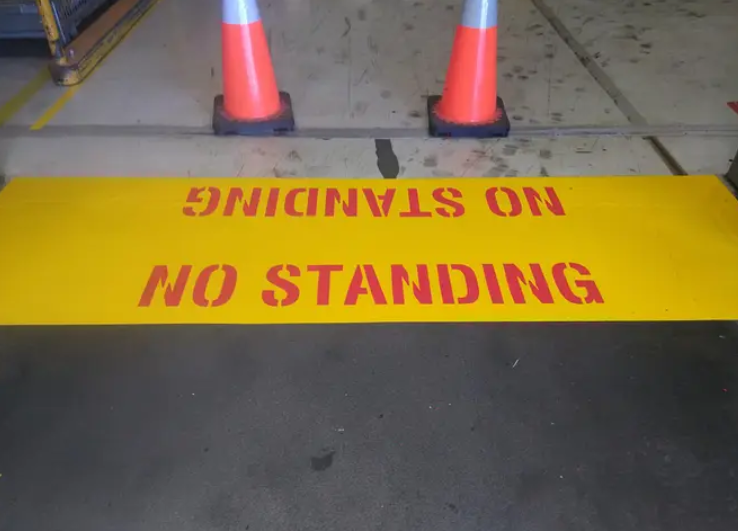
Warehouses & Factories – Floor markings indicate safe walkways, storage areas, and machinery zones, reducing risk and improving workflow.
Sports Facilities – Courts and fields are often defined by precision-applied lines that dictate game rules and boundaries.
Schools & Playgrounds – Educational games, hopscotch, and traffic training areas use line marking to engage and instruct kids.
By the time you finish reading this, you’ll likely start noticing line marking in places you never really paid attention to before.
The Process of Professional Line Marking
While it may seem simple, professional line marking requires careful planning and execution. It’s not just about drawing straight lines—it’s about delivering long-lasting, accurate, and meaningful results.
Here’s a quick breakdown of how professionals tackle a line marking project:
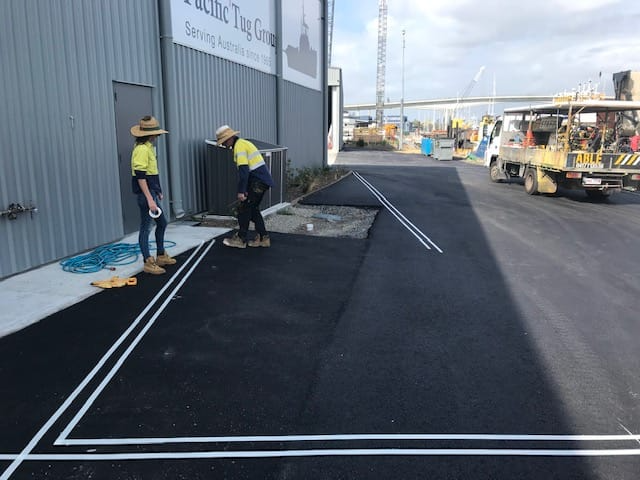
Site Assessment: Experts examine the surface conditions, traffic levels, and required layouts.
Design & Planning: A detailed layout is created, often based on regulatory requirements or custom needs.
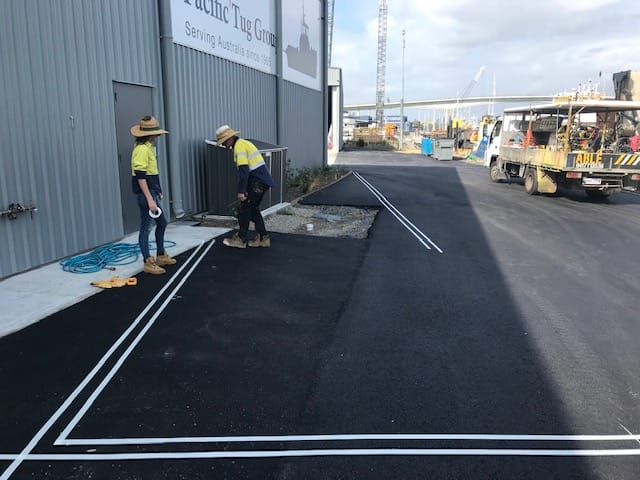
Surface Preparation: The area is cleaned and prepped to ensure proper adhesion of the marking material.
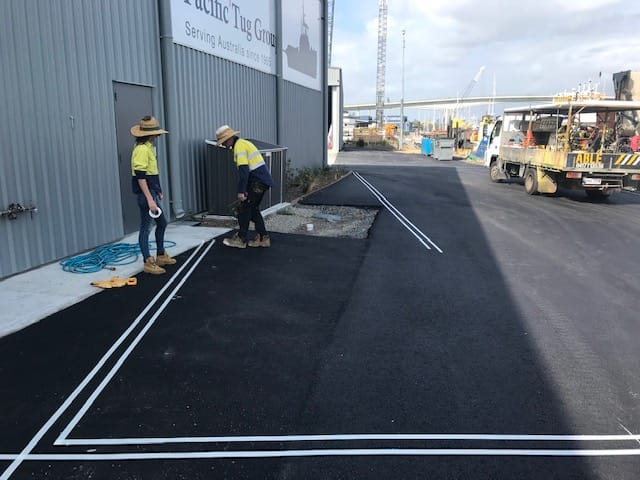
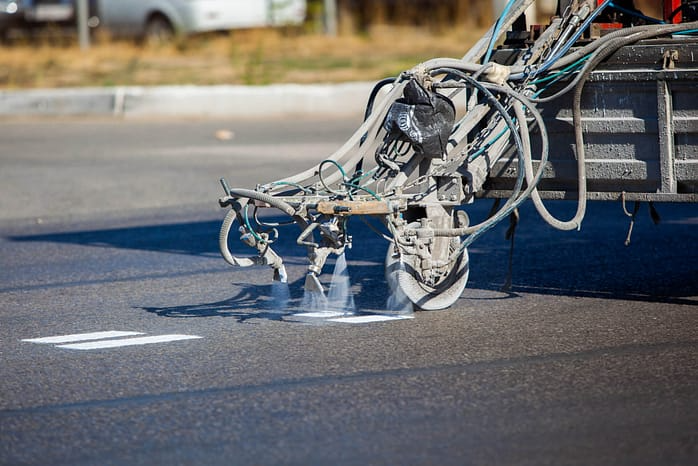
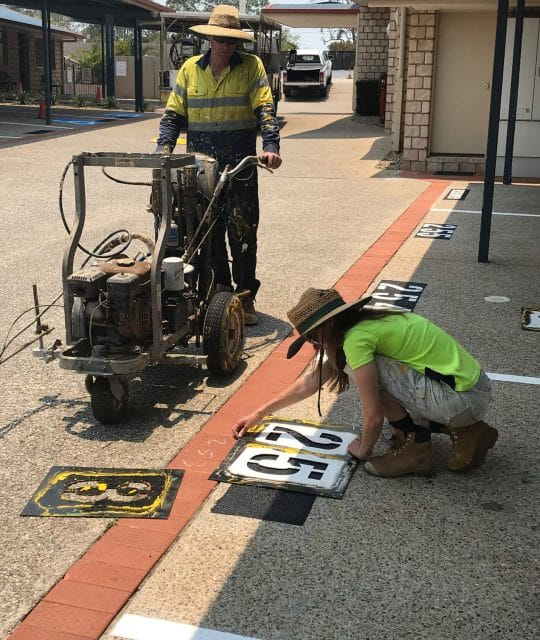
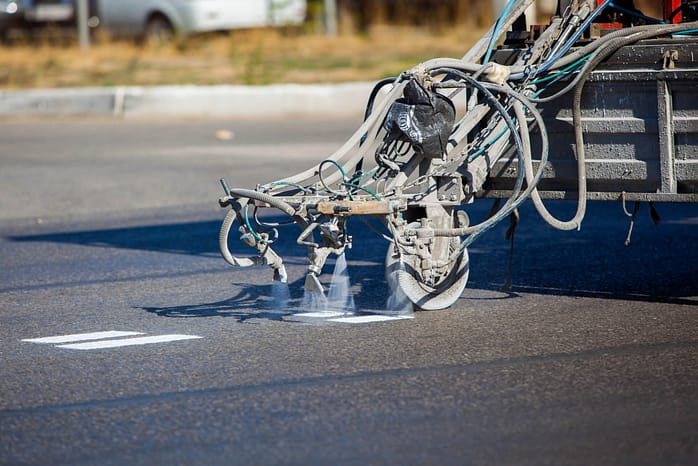
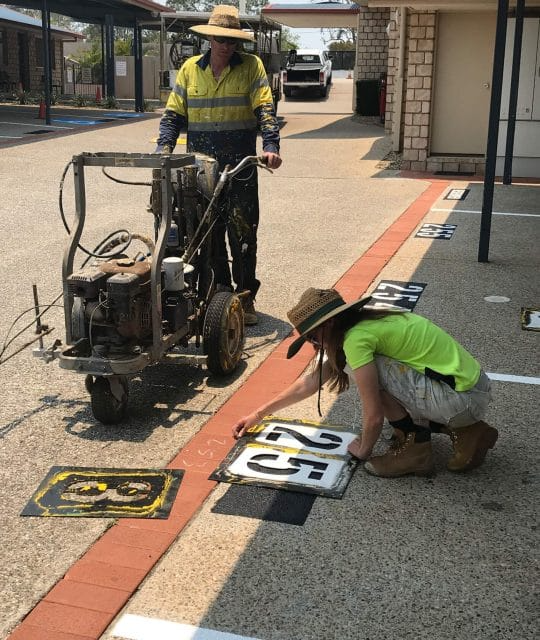
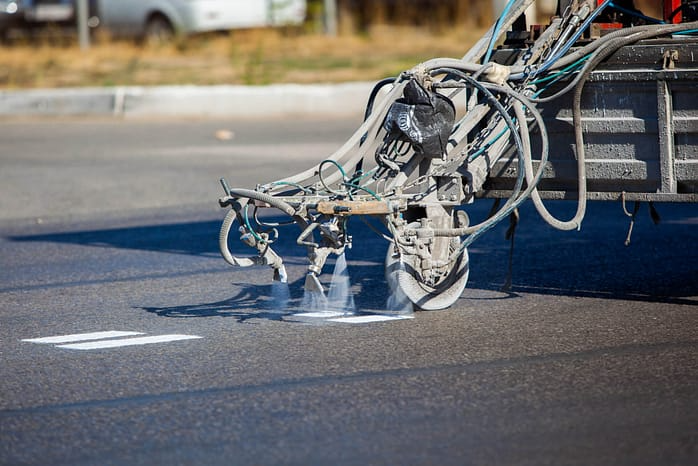
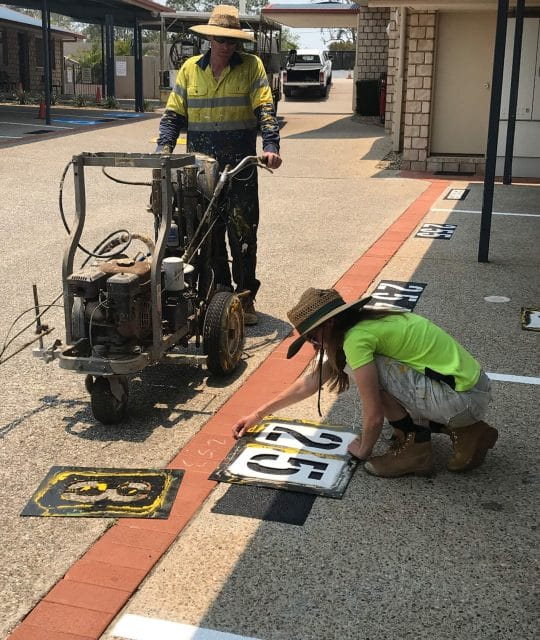
Application: Depending on the material (paint, thermoplastic, etc.), specialized machinery is used for precise application.
Curing & Inspection: Once applied, the markings are left to cure and then inspected for quality assurance.
The equipment used for line marking has advanced significantly. From laser-guided applicators to GPS-assisted layout planning, technology now plays a key role in ensuring both accuracy and efficiency.
Innovations in the World of Line Marking
The field of line marking has come a long way from simple painted lines. Thanks to advancements in materials and technology, it’s now possible to achieve more durable and environmentally friendly results.
Some of the latest innovations include:
Reflective and Glow-in-the-Dark Markings: Ideal for low-light or high-risk areas.
Anti-Slip Coatings: Perfect for pedestrian areas to reduce the risk of falls.
Preformed Thermoplastic: A ready-to-apply solution that offers high durability and quick installation.
Smart Marking Systems: Integrated with IoT for real-time traffic data and monitoring.
Sustainability is also becoming a focal point. More companies are turning to low-VOC paints and recyclable materials to reduce their environmental footprint.
Common Challenges in Line Marking
Like any specialized field, line marking comes with its own set of challenges. Environmental factors, surface wear, and improper application techniques can all lead to fading, cracking, or misalignment.
Here are a few common issues:
Weather Conditions: Rain or extreme temperatures can delay or impact the application process.
Heavy Traffic: High-traffic areas may require more frequent maintenance or use of durable materials like thermoplastic.
Surface Irregularities: Uneven or damaged surfaces can make precise marking difficult without proper preparation.
The key to overcoming these challenges is experience and the use of quality materials. A professional approach ensures the markings not only look good but stand the test of time.
How to Maintain Effective Line Marking
Once the markings are in place, it’s essential to maintain them. Over time, even the most durable lines will begin to wear down, especially in areas with high foot or vehicle traffic.
Here’s how to keep your line marking in top condition:
Regular Inspections: Check for fading, chipping, or any changes in visibility.
Scheduled Repainting: Reapply markings before they become too faint or unclear.
Cleaning: Keep the surface clear of debris, oil, and dirt that can obscure the markings.
Upgrade When Needed: Replace older materials with newer, more durable alternatives when appropriate.
A proactive maintenance plan ensures your site remains compliant and safe at all times.
Final Thoughts: The Impact of Quality Line Marking
When you stop to consider how much of our daily life is guided by line marking, it’s clear that it plays a much larger role than most people realize. From improving safety to enhancing efficiency, the right markings make a big difference.
Whether you're managing an industrial facility, organizing a parking structure, or planning a public space, investing in quality line marking is a smart move. It's not just about lines on the ground—it’s about creating safer, more navigable, and more efficient environments for everyone.
So, the next time you step into a warehouse, park your car, or cross the street, take a second to appreciate the invisible order that line marking provides.

Write a comment ...