
A well-marked car park reduces confusion, speeds vehicle flow, and improves safety for drivers and pedestrians alike. Thoughtful lines, arrows, bays, and symbols turn an otherwise chaotic lot into an organized, legible space that supports daily operations and visitor confidence.
Why clear markings matter
Car parks are dynamic environments with vehicles reversing, pedestrians crossing, and delivery drivers navigating unfamiliar lanes. Without clear visual guidance, bottlenecks, minor collisions, and unsafe crossings become more likely. Good marking is the first, simplest layer of control that helps everyone make the right decision quickly.
The role of car park line marking in flow and safety
car park line marking creates an immediate visual language: bay boundaries define parking space, arrows guide circulation, and pedestrian crossings protect foot traffic. When markings are consistent and intuitive, drivers slow and align properly to enter bays, reducing the chance of blocked lanes and erratic maneuvers that cause delays and incidents.
Materials and longevity for effective car park line marking
Choosing the right system is essential. Durable thermoplastics, solvent-based paints, and specialized epoxy coatings each offer trade-offs in toughness, visibility, and lifespan. Surface prep — cleaning, degreasing, and profiling the substrate — dramatically improves adhesion. The right combination keeps car park line marking legible through weather exposure and repeated vehicle stress.
Planning and standardization with car park line marking
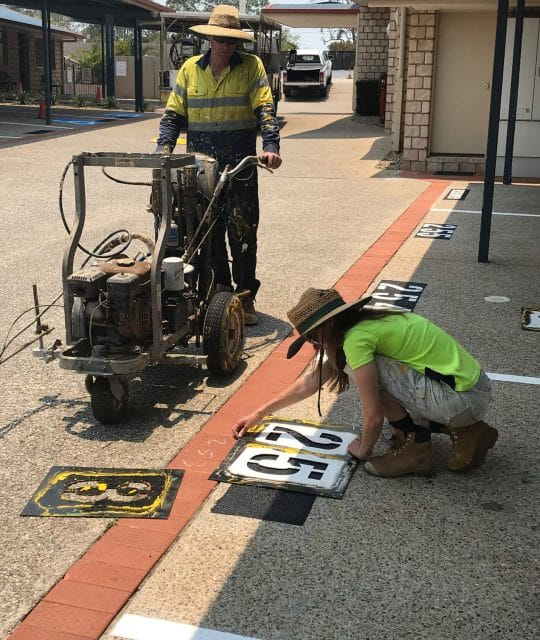
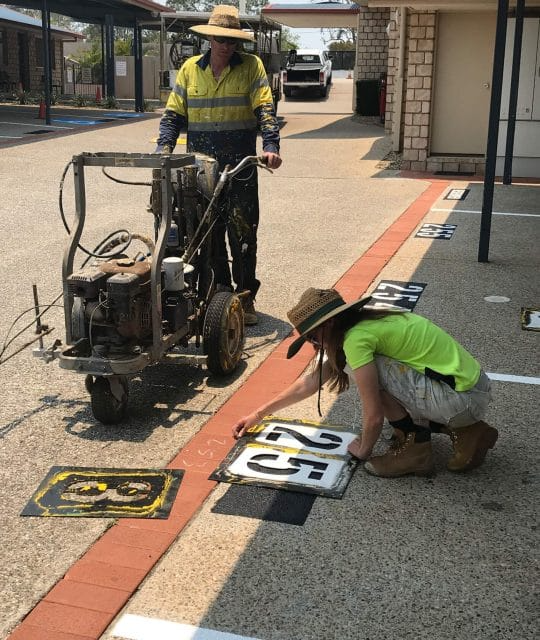
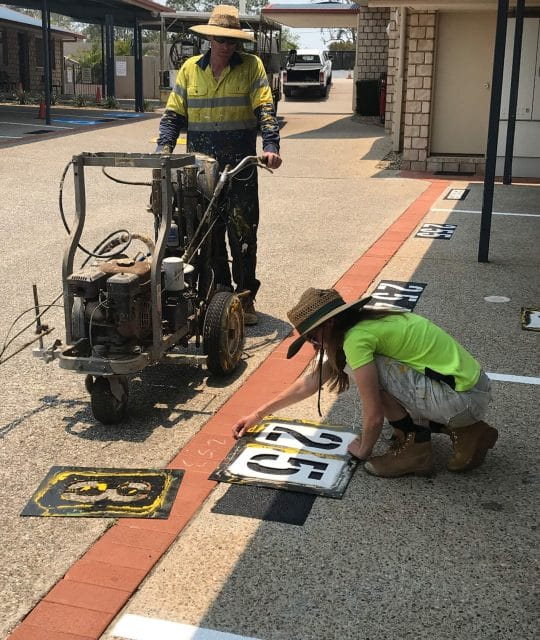
A successful layout begins with data: vehicle counts, peak times, and turning radii inform lane widths and bay angles. Standardize bay dimensions, aisle widths, and symbol placement so users read the lot quickly. Documenting standards and storing stencil files ensures new markings match existing work and keeps the entire facility consistent.
Accessibility and user experience
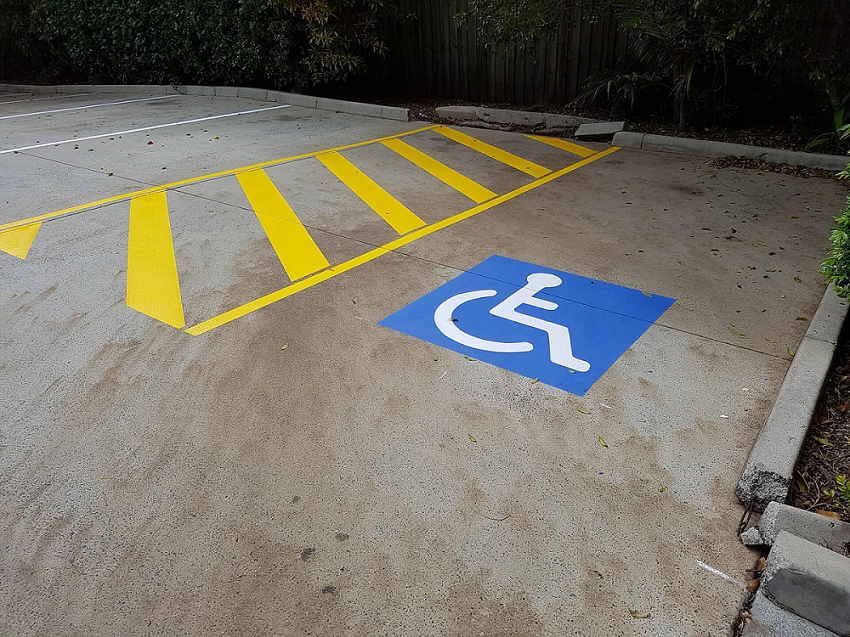
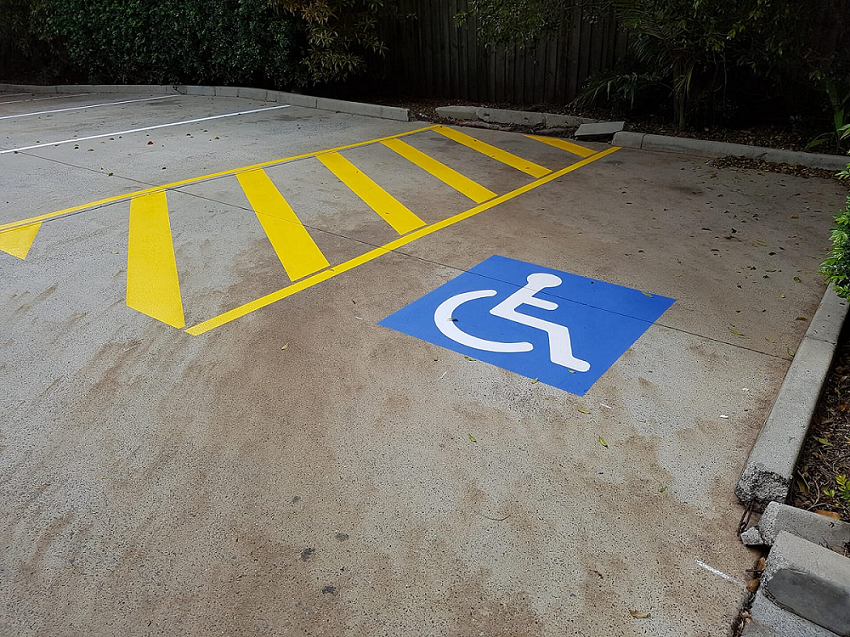
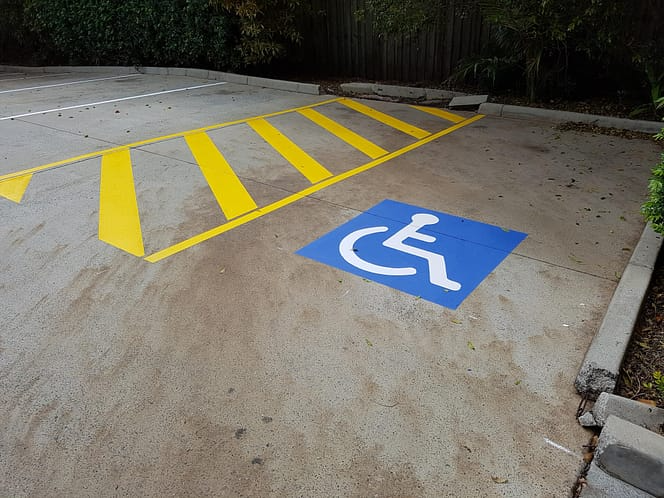
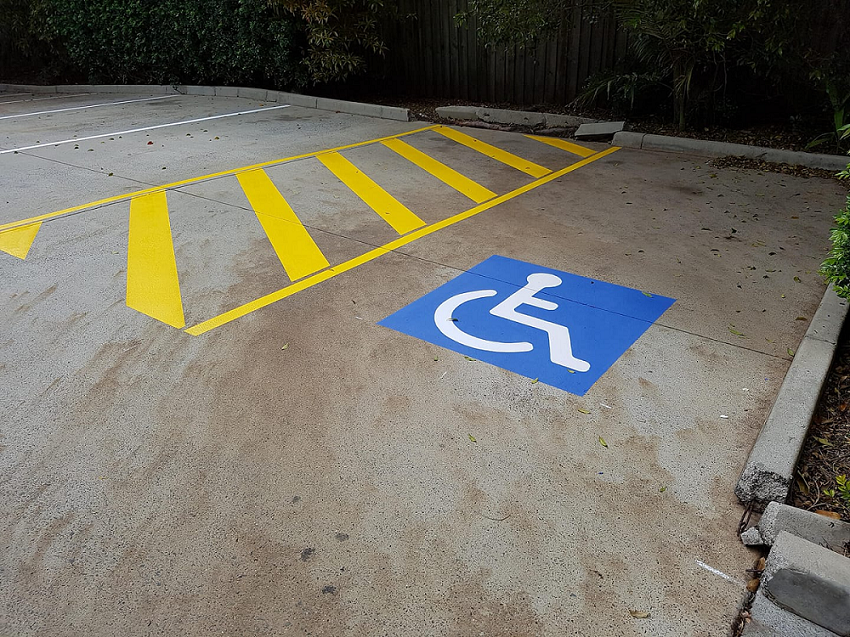
Designated accessible bays, blue-zone drop-offs, and clear pedestrian routes are essential elements. Ensure markings contrast with the pavement and pair symbols with signs where necessary. Accessible paths should be direct and free from vehicle encroachment, and tactile or raised treatments can help in specific contexts.
Lighting, reflectivity, and night-time visibility
Retroreflective beads and high-contrast borders increase nighttime readability. Position lighting to minimize glare and shadows that can obscure lines. Where nighttime activity is frequent, prioritize materials and treatments that retain reflectivity and visibility after rain or heavy use.
Routine maintenance and inspection
Regular inspections reveal fading or scuffing before safety is compromised. Clean surfaces to remove oil and grime, and schedule targeted touch-ups for high-wear zones. Keep a log of inspections and photos so deterioration trends are visible and refreshes can be planned efficiently.
Implementation checklist
• Survey peak and off-peak vehicle flows.
• Choose material systems matched to climate and traffic.
• Prepare the substrate thoroughly.
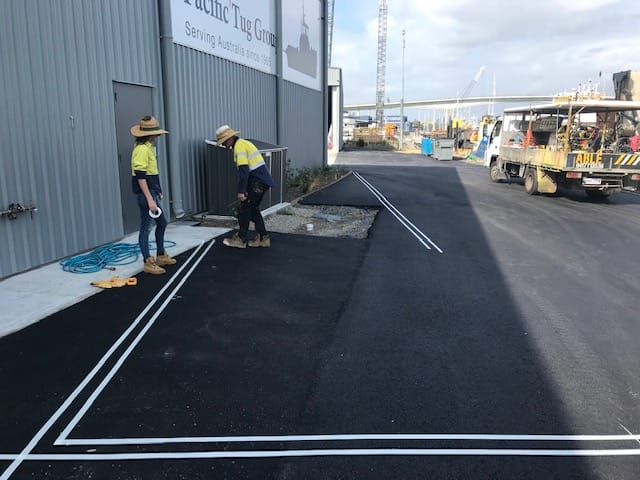
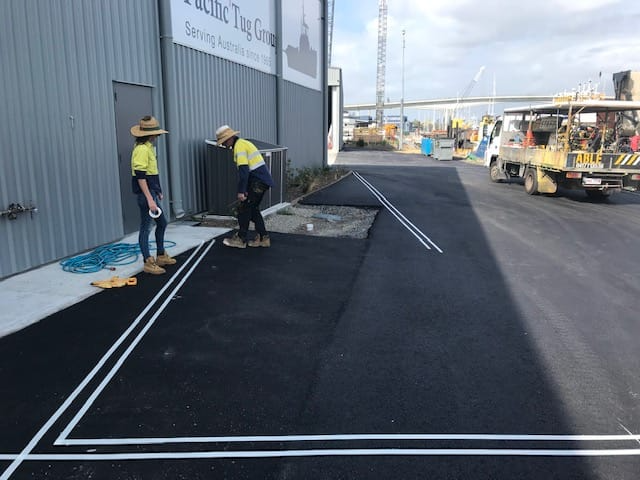
• Lay out bays and lanes with correct dimensions.
• Apply markings with straight edges and consistent symbols.
• Add reflective elements and coordinate lighting.
• Schedule inspections and document changes.
Conclusion
When planned and executed thoughtfully, car park line marking transforms a parking area into a predictable, safer environment. Clear design, proper materials, and ongoing care make navigation easier for drivers and protect pedestrians — delivering a better experience for everyone who uses the space.




Write a comment ...