
Ever pulled into a parking lot that looked more like a puzzle than a proper space? Faded lines, unclear signs, people parking diagonally—it’s chaos. That’s where car park marking steps in and saves the day. It's not just about painting lines on asphalt; it’s a fundamental part of keeping things moving smoothly, safely, and efficiently in any parking area.
Whether it’s a shopping center, office complex, school, or residential community, car park marking plays a pivotal role in how people interact with the space. And yet, it's often underestimated—until things start going wrong.
Let’s dive into why these markings are essential, how they’re done right, and how they benefit every single driver, property manager, and business owner involved.
The Hidden Power of Car Park Marking
At a glance, it might seem like car park lines are just… well, lines. But in reality, they guide the entire flow of traffic. From where to park, how to enter and exit, where pedestrians should walk, to reserved areas for specific uses—car park marking makes all of this happen.
Clear, visible markings reduce confusion, prevent accidents, and ensure that space is utilized as efficiently as possible. In busy areas, a well-marked parking lot can even make the difference between a satisfied visitor and one who drives away frustrated.
But here's the kicker: car park marking is not just a functional element—it reflects the professionalism and care of the property owner. A crisp, well-laid-out car park instantly signals that this place is organized and trustworthy. On the flip side, worn-out or poorly thought-out markings suggest neglect, and that perception can affect businesses more than many realize.

Why Proper Car Park Marking Is Non-Negotiable
If you’re managing a facility of any size, car park marking needs to be high on your priority list. Here's why:
Improved Traffic Flow: Markings direct traffic in a logical, predictable way. This prevents bottlenecks and ensures cars move safely and efficiently throughout the space.
Enhanced Safety: Clearly marked pedestrian walkways, directional arrows, and fire lanes reduce the risk of accidents. It’s all about making sure people and vehicles coexist without conflict.
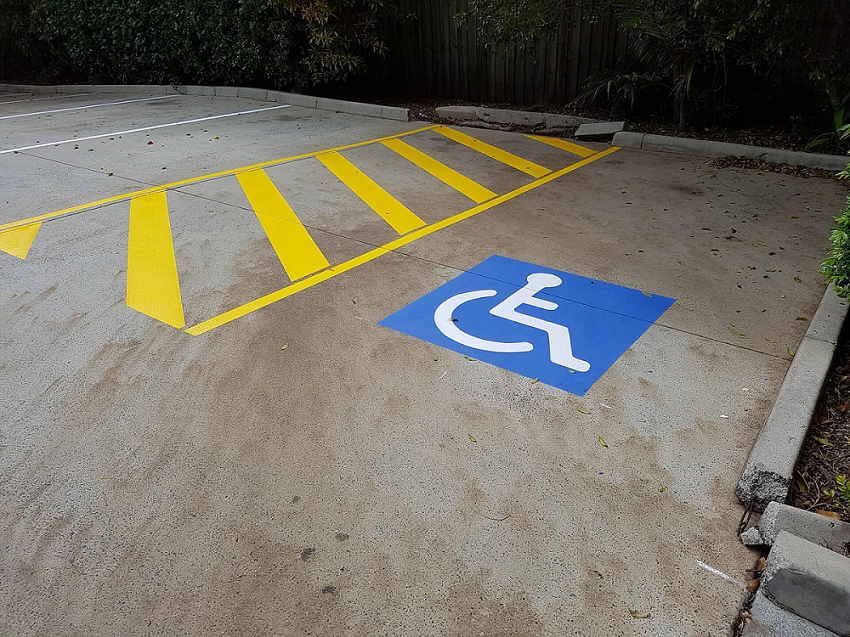
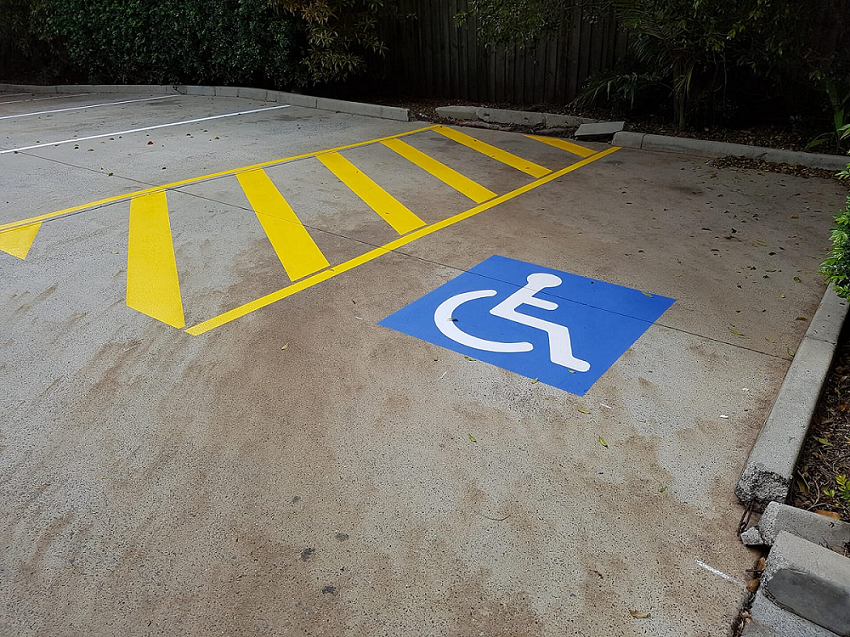
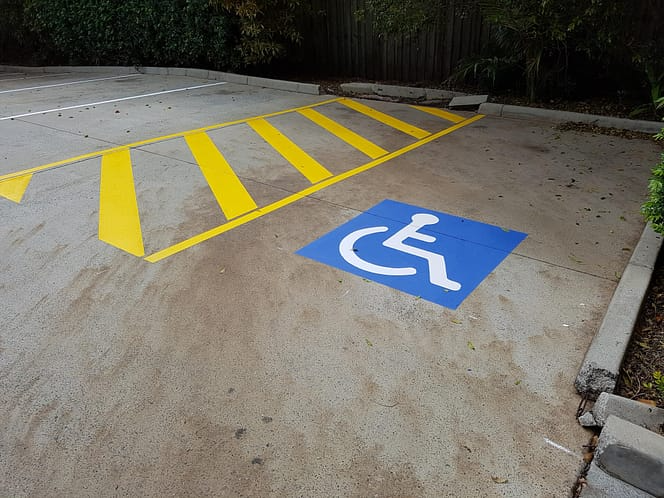
Accessibility Compliance: Meeting legal requirements for disabled parking spaces isn’t just the right thing to do—it’s the law. Markings help designate accessible parking spots in compliance with regulations.
Maximized Parking Space: Without clearly defined bays, people park inefficiently. That means fewer cars can fit, and that’s a missed opportunity—especially for commercial areas.
Better User Experience: When parking feels easy and intuitive, people are more likely to return. A good first impression starts at the car park entrance.
Types of Car Park Marking You Should Know
Not all parking areas are created equal, and that’s where the versatility of car park marking really shines. There are several types, each with a specific purpose. Understanding them helps you decide what works best for your space.
Bay Markings: These are the standard lines that define individual parking spots. They can be angled or straight, depending on the lot's layout and flow.
Directional Arrows: Arrows help drivers know which way to go, particularly in larger lots or those with one-way systems.
Pedestrian Walkways: These are typically marked with zebra-style stripes and direct foot traffic safely across busy areas.
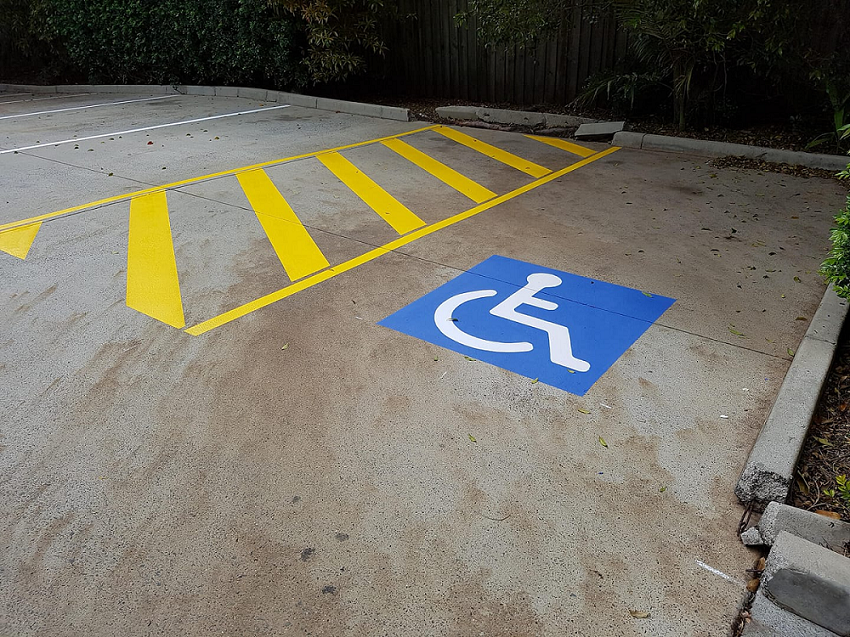
Disabled Parking: Marked with the internationally recognized wheelchair symbol, these spaces are often larger and closer to entrances.
Electric Vehicle (EV) Bays: With EV use on the rise, many car parks now include clearly marked charging spots.
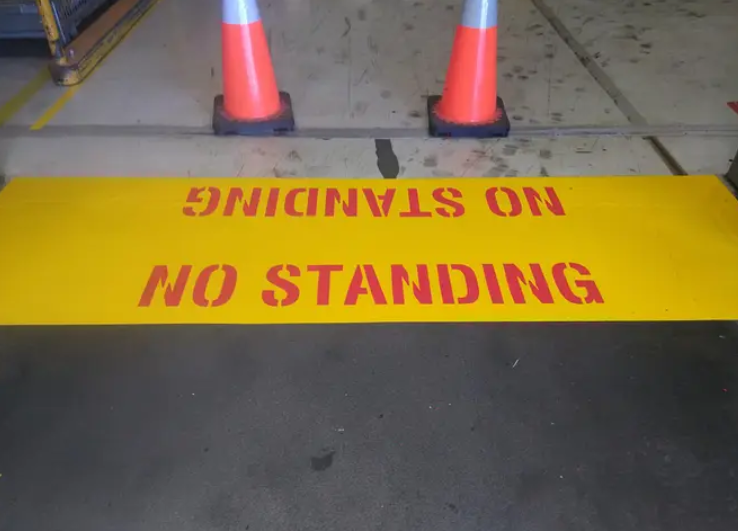
No Parking Zones: These are crucial in keeping emergency lanes, loading areas, and fire exits clear at all times.
In short, effective car park marking caters to every possible use-case scenario, creating a well-organized space that serves everyone.
How Car Park Marking Is Done Right
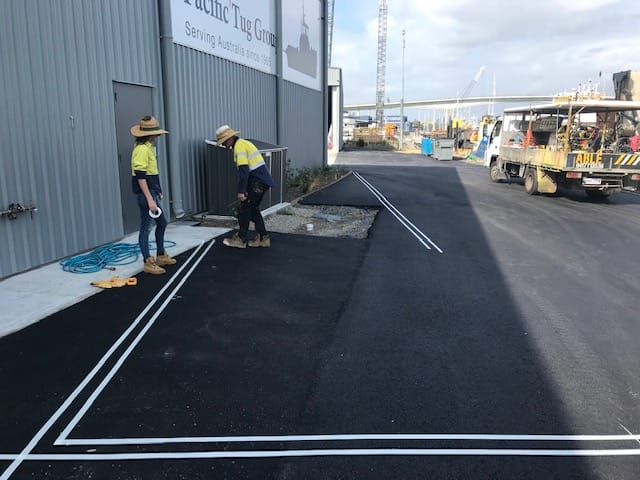
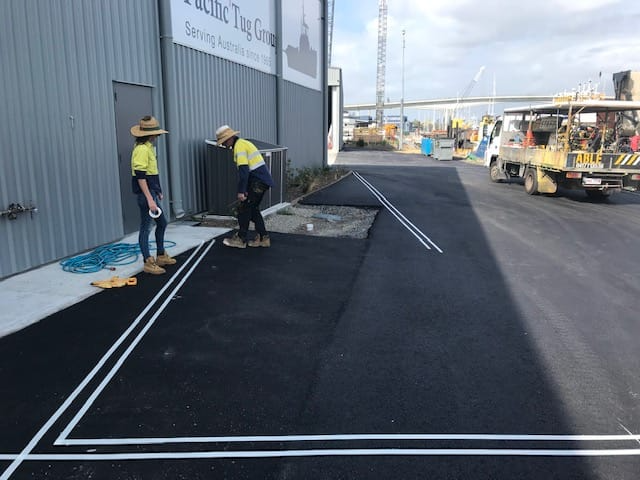
The process of car park marking is a mix of technical expertise and planning precision. It all starts with assessing the space—its size, traffic flow, and specific needs. Then comes the design phase, where the layout is carefully planned to optimize safety and space usage.
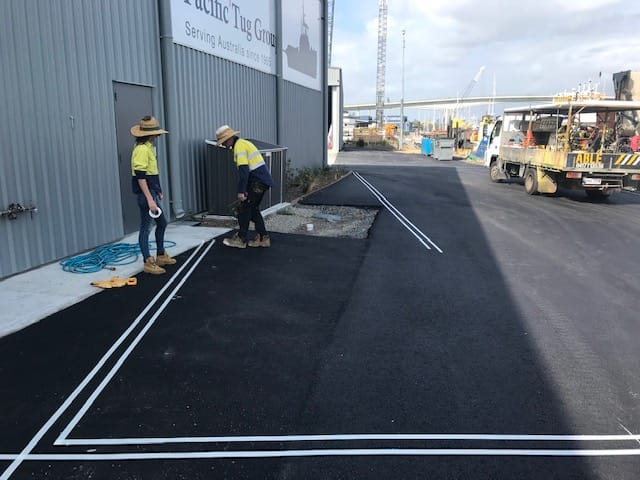
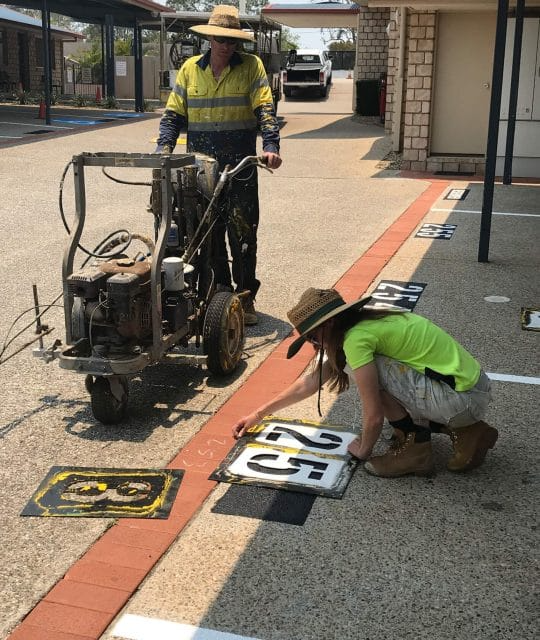
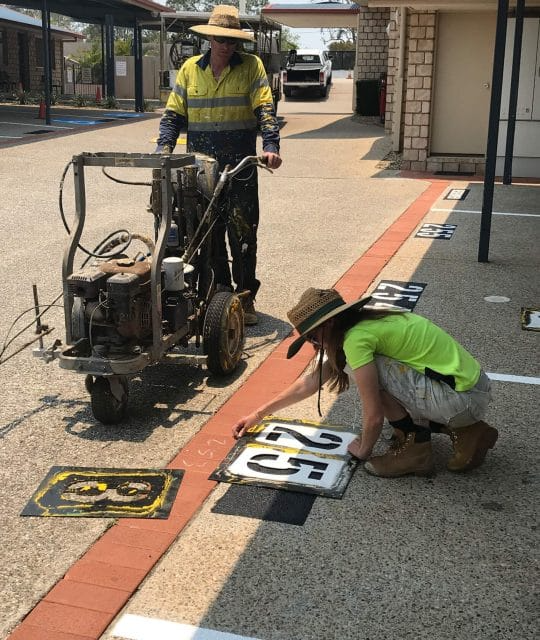
Once everything is mapped out, the actual marking begins. Here’s where material choice becomes important. Depending on whether the surface is asphalt or concrete, different paints or thermoplastics may be used. Durability is key—nobody wants markings that fade in a few months.
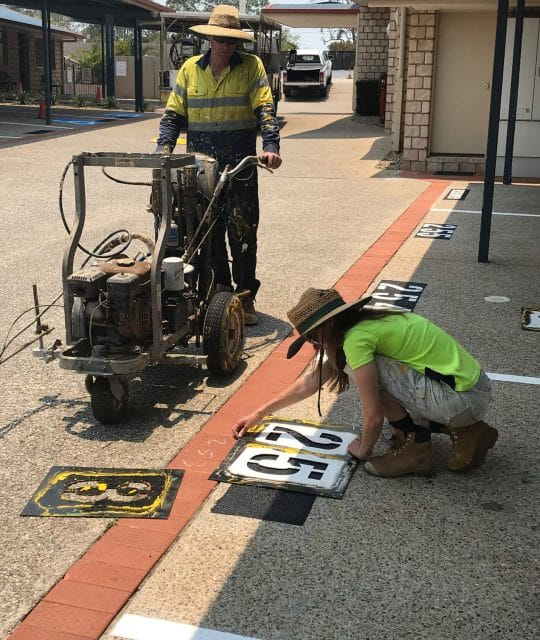
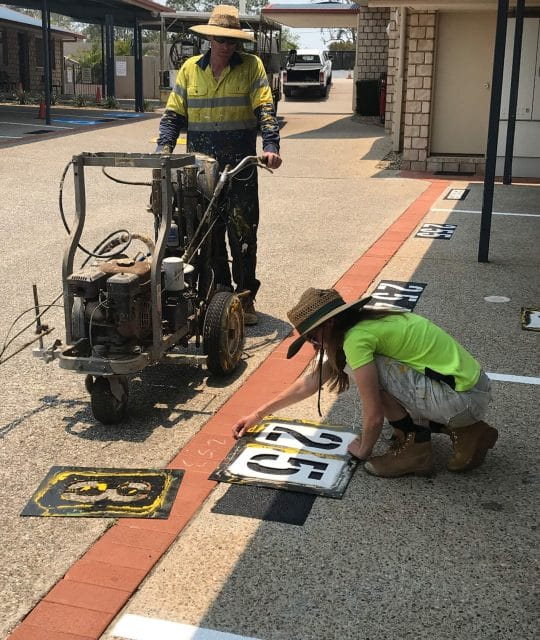
Surface preparation is also crucial. It involves cleaning, removing debris, and sometimes even resurfacing areas to ensure the paint adheres properly. After that, lines are painted using specialized machines for straight, clean results. Some projects also include adding anti-slip materials or reflective glass beads for visibility at night or in poor weather.
Maintaining Your Car Park Markings for Long-Term Impact
Just like anything else exposed to the elements, car park lines fade over time. Sun, rain, snow, and the constant wear from vehicles all take a toll. That’s why routine maintenance matters.
Reapplying faded markings, repairing surface damage, and updating layouts as needed can make a huge difference in keeping a parking lot functional and appealing. Property owners who stay on top of this not only improve safety and traffic flow but also avoid potential liability issues down the line.
Regular inspections—say, once or twice a year—are a simple way to stay ahead of wear and tear. And if your facility undergoes any structural changes or gets a spike in foot or vehicle traffic, that’s also a good time to reassess your car park marking strategy.
Sustainability and Innovation in Car Park Marking
Today, sustainability is becoming an essential part of facilities management, and car park marking isn’t exempt from that trend. Eco-friendly paints with low VOCs (volatile organic compounds), longer-lasting materials, and solar-powered lighting for enhanced visibility are now part of the package.
Even smart technology is making its way into the field. Think sensors embedded in the pavement to monitor space usage or digital signage that works in harmony with physical markings to direct drivers in real-time. The future of parking management is already here—and car park marking is a big part of it.
Final Thoughts: Make Your Mark with Effective Car Park Marking
Here’s the bottom line: car park marking isn’t just a box to tick on a facilities checklist—it’s a key player in creating a space that’s safe, efficient, and welcoming.
It influences traffic flow, user experience, and even public perception. When done right, it makes every trip—from arrival to departure—a smoother, safer, and more satisfying experience.
So whether you’re overseeing a high-traffic commercial lot, a small residential area, or a public facility, give your parking space the attention it deserves. Because in the world of first impressions and smooth operations, car park marking truly is the unsung hero.




Write a comment ...