
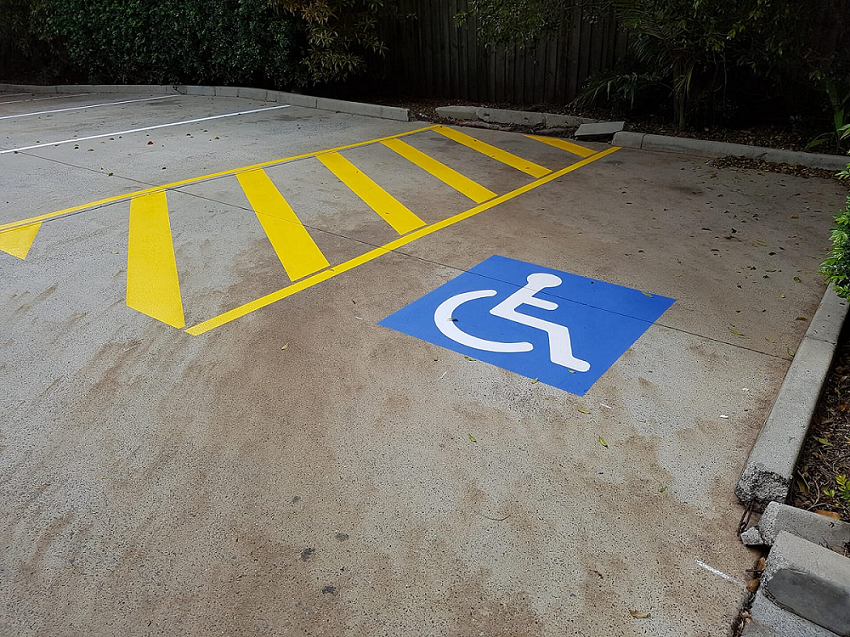
Line marking plays a crucial role in various industries, from road safety to warehouse organization. It ensures clear navigation, improves safety, and enhances operational efficiency. Whether it’s for roads, car parks, sports courts, or industrial facilities, properly applied line marking is essential for maintaining order and preventing accidents.
In this comprehensive guide, we’ll explore the significance of line marking, the different types available, and best practices for application and maintenance.
The Importance of Line Marking
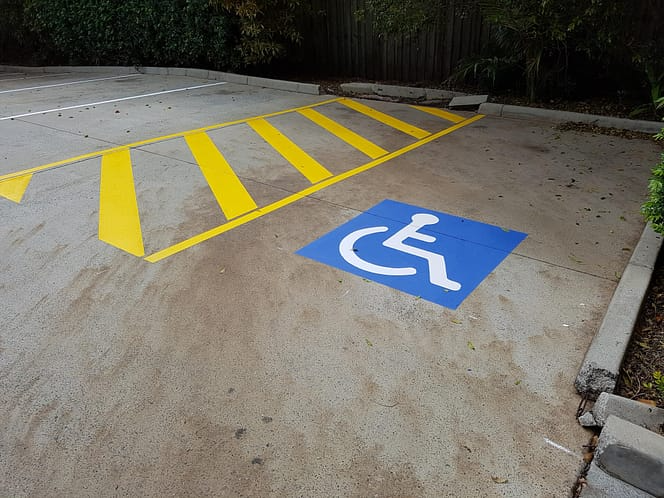
Line marking is more than just a visual guide; it serves multiple essential functions in various environments:
Enhances Safety: Clearly marked lines reduce accidents by providing clear directions and boundaries.
Improves Organization: Warehouses and industrial sites use line marking to define zones, increasing efficiency and workflow.
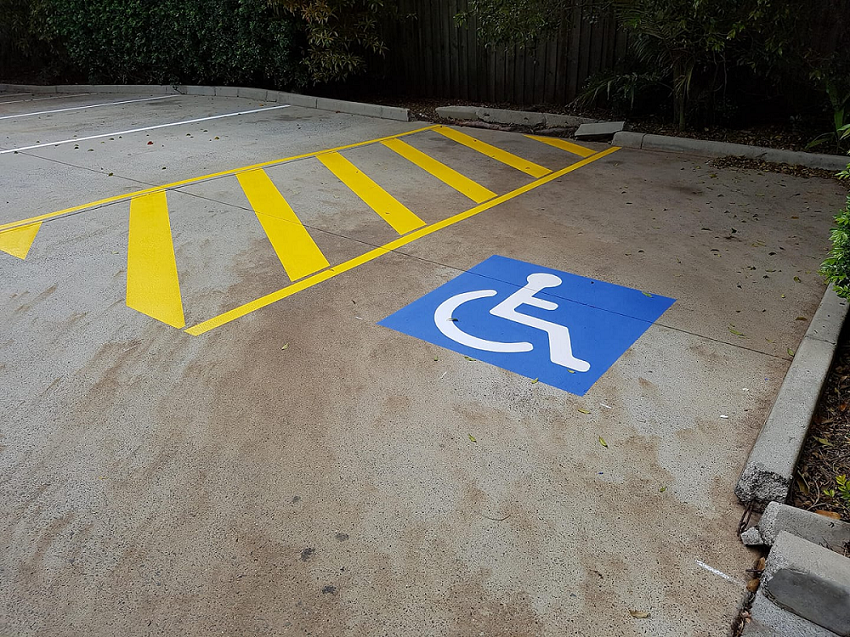
Regulates Traffic: Roads and parking lots depend on line marking for seamless vehicle movement and pedestrian safety.
Meets Compliance Standards: Many industries have regulatory requirements that mandate proper line marking.
Choosing the Right Line Marking Material
Selecting the appropriate material is vital to ensure longevity and visibility. Some of the most commonly used materials include:
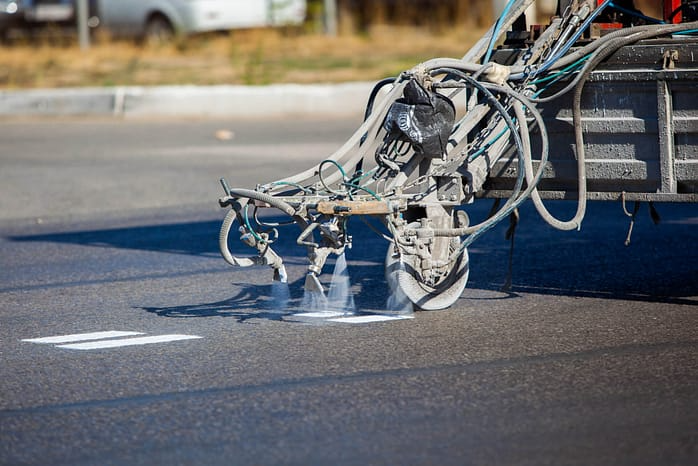
Thermoplastic: Highly durable and commonly used for road line marking due to its reflective properties.
Water-Based Paint: Environmentally friendly and used in indoor settings where fumes need to be minimized.
Epoxy Paint: Excellent for warehouses and industrial floors due to its resilience and chemical resistance.
Preformed Tape: A quick and effective option for temporary or semi-permanent markings.
Best Practices for Effective Line Marking
To achieve optimal results, follow these best practices for line marking application:
1. Surface Preparation
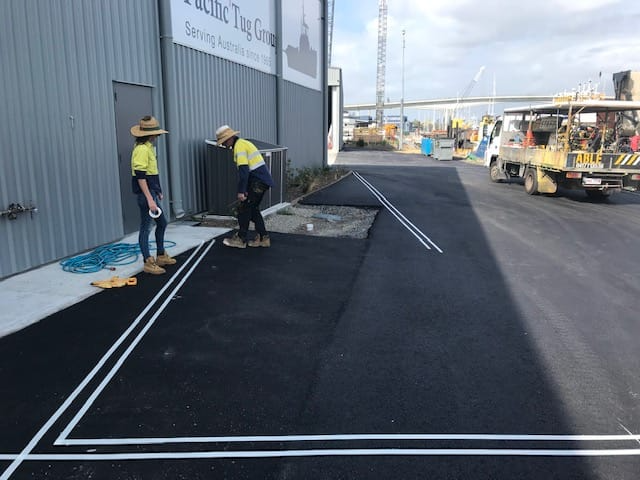
Ensure the surface is clean, dry, and free of debris before applying line marking. This helps with adhesion and longevity.
2. Use High-Quality Paints
Investing in high-quality materials ensures durability, reducing the need for frequent reapplication.
3. Proper Equipment Usage
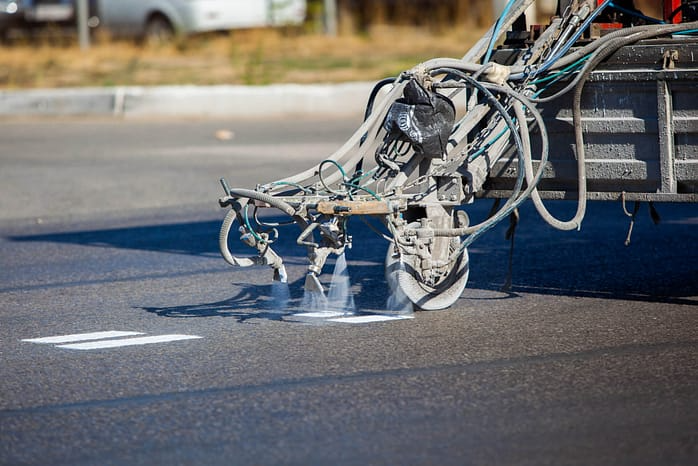
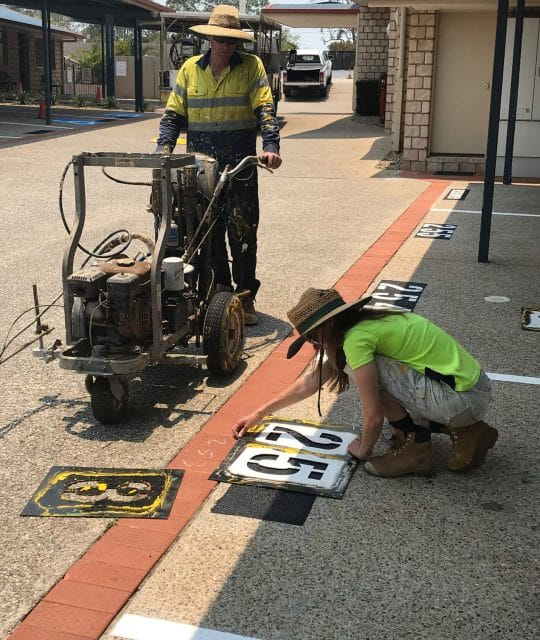
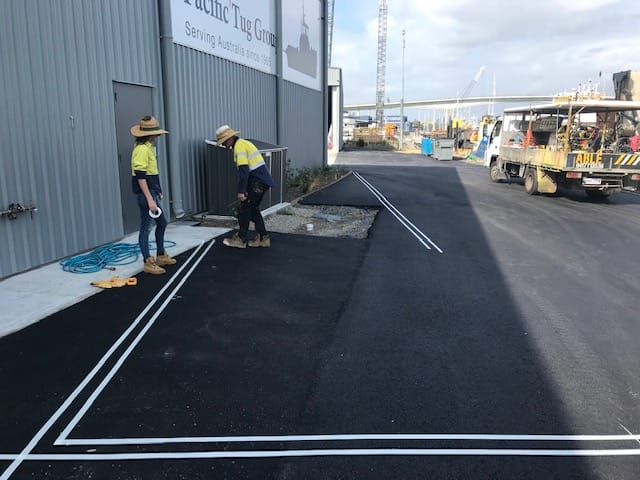
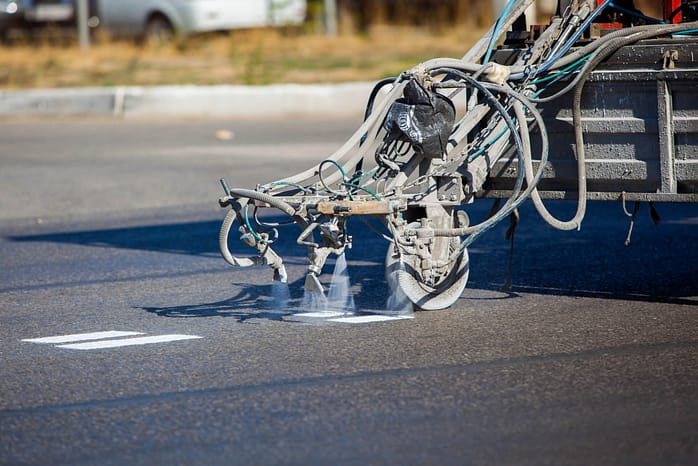
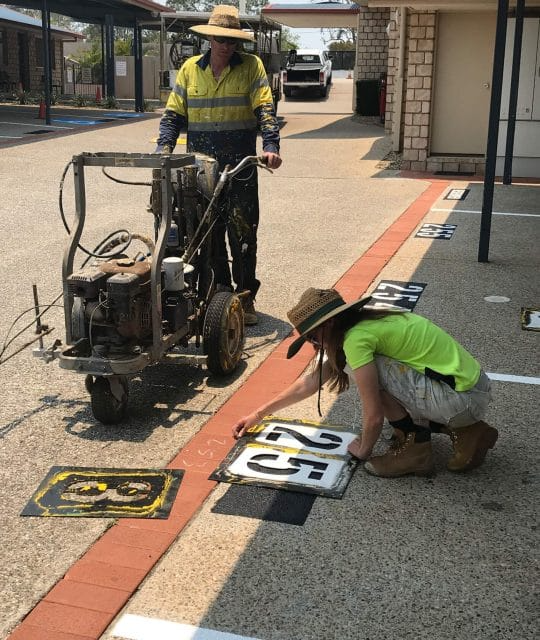
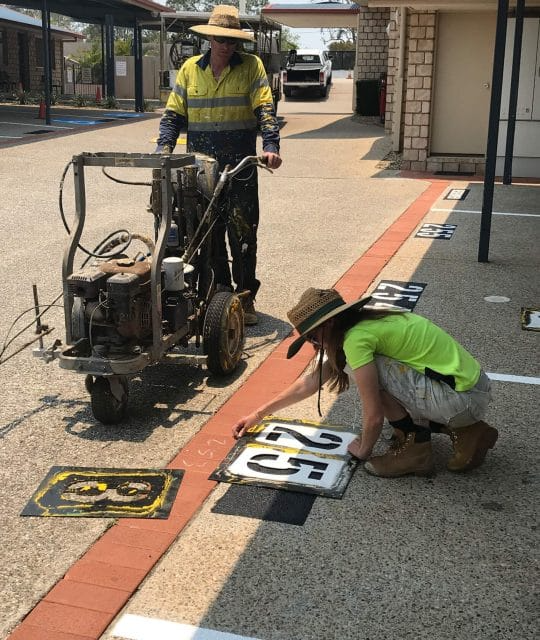
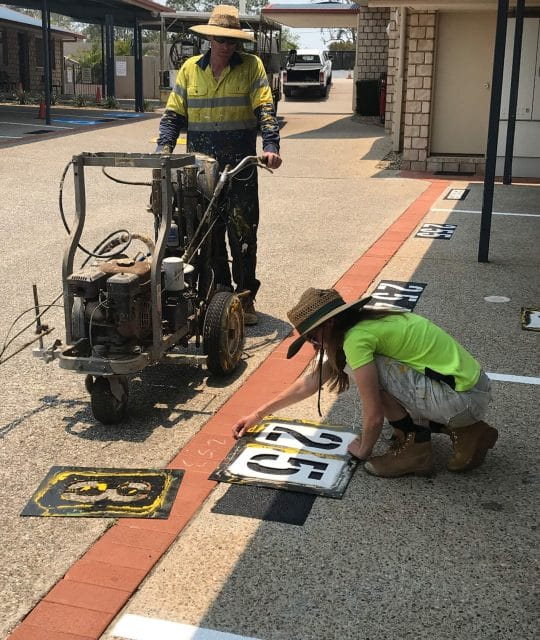
Using the right tools, such as line marking machines, stencils, and measuring tapes, guarantees precision and consistency.
4. Consider Weather Conditions
For outdoor line marking, choose a time when weather conditions are dry and stable to allow for proper curing.
5. Regular Maintenance
Regular inspections and touch-ups prevent fading and ensure markings remain visible and effective over time.
Common Challenges in Line Marking and How to Overcome Them
Despite its benefits, line marking can present challenges, including:
Fading and Wear: Frequent use can cause markings to fade. Regular maintenance and high-quality materials can combat this.
Poor Adhesion: Ensuring a clean surface and using appropriate primers can improve adhesion.
Environmental Factors: Rain, UV rays, and heavy traffic can impact longevity. Choosing the right material helps mitigate these effects.
Conclusion
Line marking is an essential component of safety and organization across multiple industries. From roads to warehouses, sports facilities to parking lots, the right application and maintenance of line marking enhance efficiency and safety. By using high-quality materials, proper techniques, and regular upkeep, businesses and municipalities can ensure long-lasting and effective markings.
Whether you are looking to improve traffic control, enhance workplace safety, or define sports court boundaries, investing in professional line marking services can make all the difference. Implementing best practices ensures that your line marking remains clear, durable, and compliant with industry standards.


Write a comment ...